

At 4K, 16GB VRAM can still fly-until ultra textures and ray tracing collide. For local AI, 24GB shifts from “nice” to “necessary,” turning crashes into headroom.
Month: February 2026
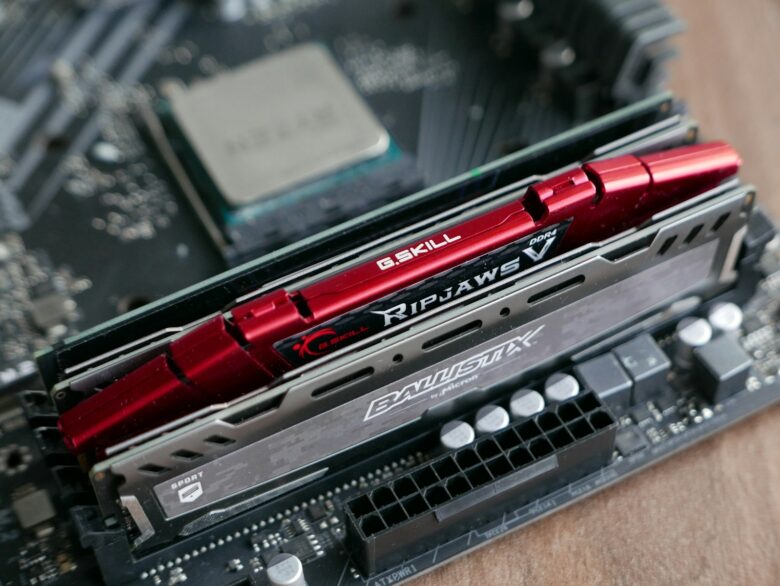
Top DDR5 kits for high-end gaming blend low latency, high MT/s, and strong XMP/EXPO tuning-delivering steadier 1% lows, faster loads, and extra headroom for tomorrow’s GPUs.
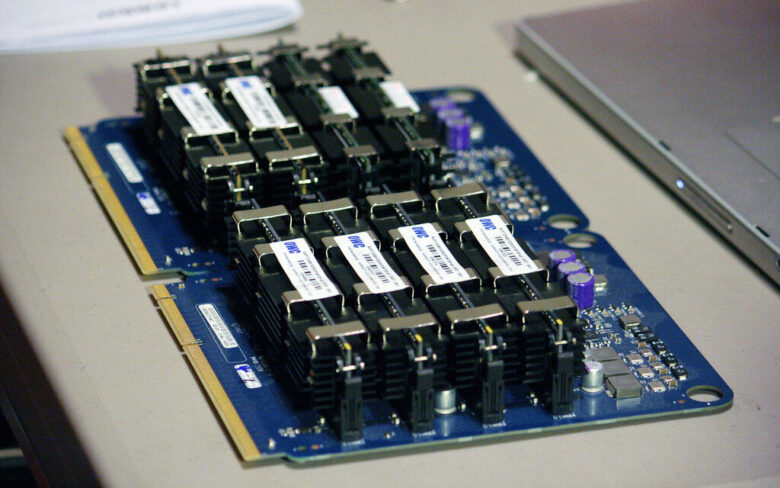
For smooth timelines and faster exports, choose 32-64GB RAM with high bandwidth and low latency. It keeps 4K/8K footage, caches, and effects responsive while rendering in the background.

Single-channel RAM can bottleneck CPUs: lower bandwidth, longer waits. Dual-channel often boosts game lows, speeds exports, and smooths multitasking-especially with integrated graphics and memory-hungry apps.

Unlock your RAM’s rated speed: enter BIOS, find XMP (Intel) or EXPO (AMD), enable Profile 1, then save and reboot. Verify stability-fast memory is great, stable memory is better.
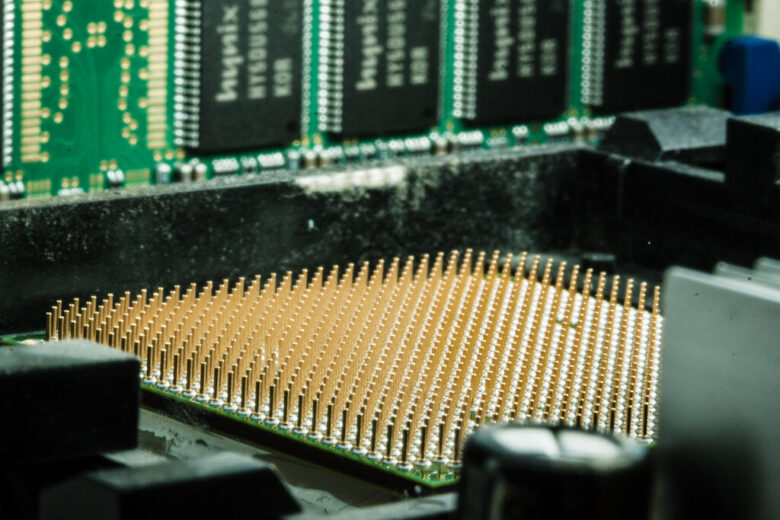
In 2026, DDR5 isn’t just faster-it’s smarter: higher bandwidth, better efficiency, and more headroom for modern CPUs. DDR4 still wins on price, but DDR5 now makes sense for new builds.

Before buying RAM, confirm your laptop’s supported type (DDR4/DDR5), speed, max capacity, and slot count. A perfect match prevents wasted money-and unlocks smoother multitasking instantly.
CAS latency is the beat between a RAM request and the first byte delivered. Lower isn’t always faster-timing must match frequency and workload to cut stalls and boost real-world speed.
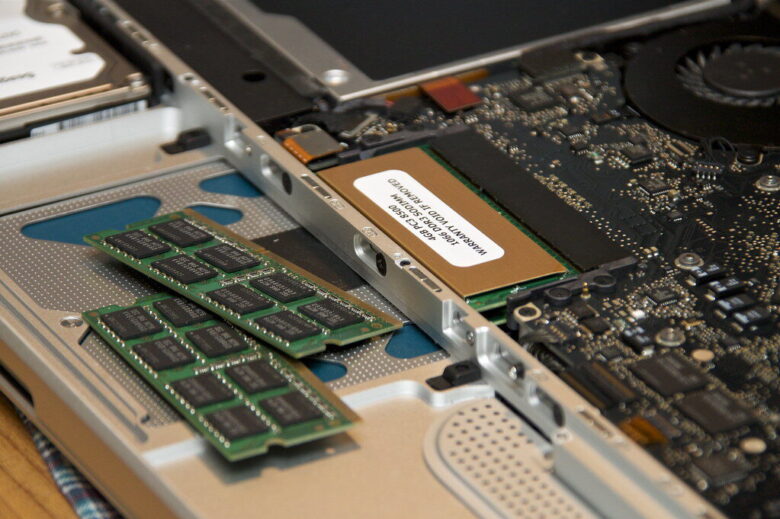
Power down, unplug, and ground yourself. Match the notch, open the latches, and press the RAM until it clicks. Boot up, then verify capacity in BIOS or your OS.