
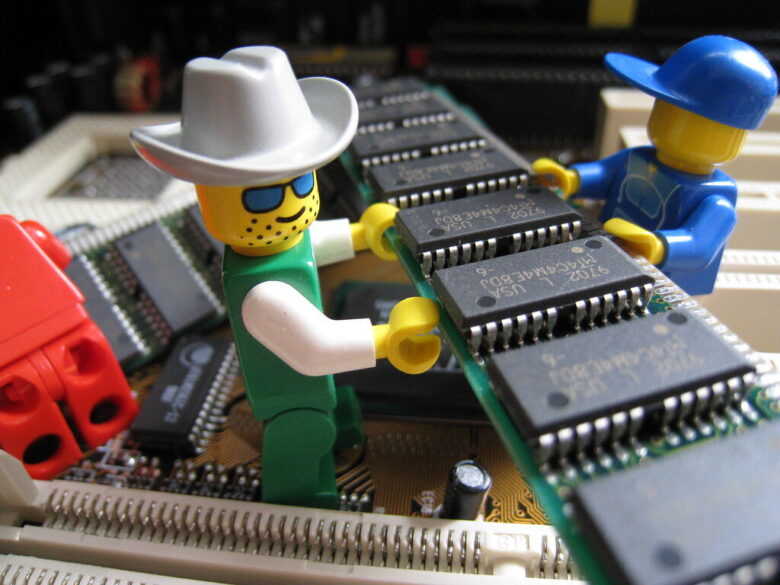
Compare single- and dual-channel memory configurations, theoretical bandwidth, slot population, and likely workload effects. Dual-channel is generally preferred, especially for integrated graphics, but sufficient capacity and the system’s actual bottleneck remain more important.
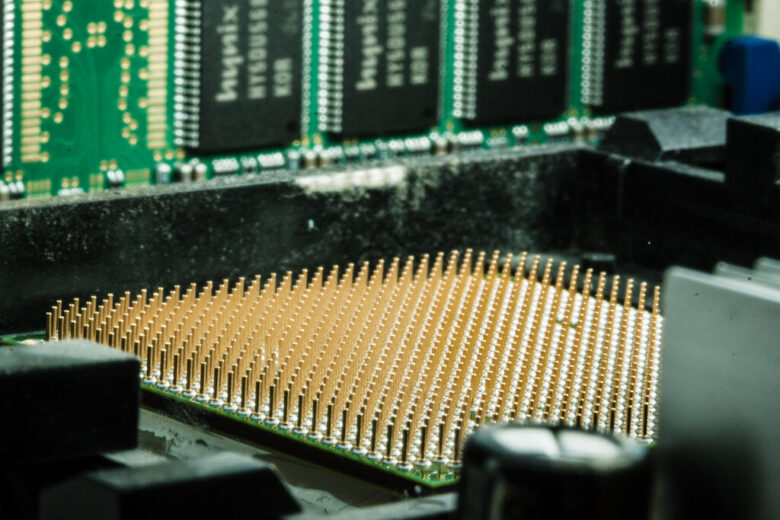
Decide between DDR4 and DDR5 as a platform choice. DDR5 fits current builds and offers greater bandwidth and newer capacities, while a stable DDR4 system may remain worthwhile unless a broader CPU and motherboard upgrade solves a limitation.
Understand CAS latency as a cycle count, convert CL and MT/s to calculated nanoseconds, read tCL-tRCD-tRP-tRAS sequences, and compare memory kits without treating one timing number as a complete measure of RAM or system performance.
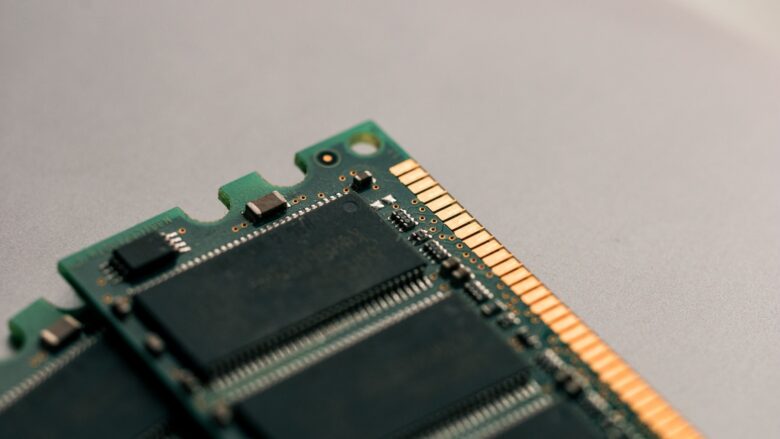
Use a conservative RAM overclocking workflow that starts with stable defaults, treats XMP and EXPO as overclocks, changes one layer at a time, prepares BIOS recovery, and rejects any reproducible error or training failure.
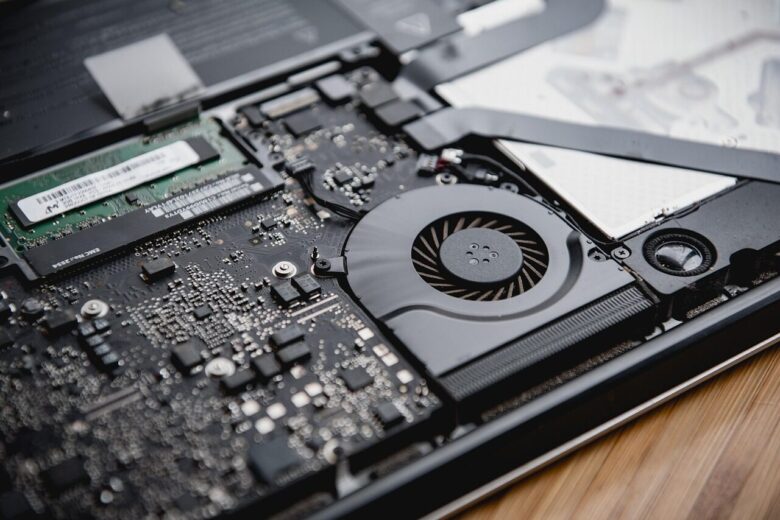
Explore how memory bandwidth, latency, channel configuration, capacity, and stability can affect gaming FPS and frame times. Faster RAM matters most in CPU- or memory-limited situations, while GPU-bound games may change much less.