
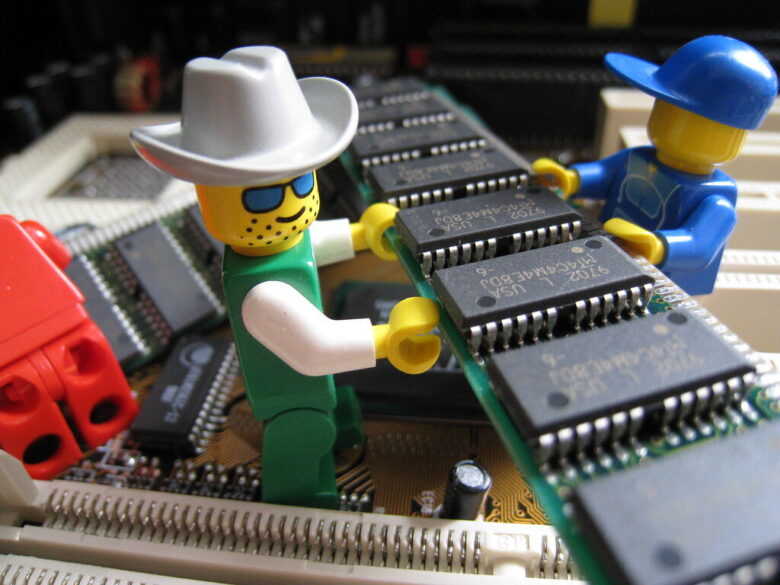
Single-channel RAM can bottleneck CPUs: lower bandwidth, longer waits. Dual-channel often boosts game lows, speeds exports, and smooths multitasking-especially with integrated graphics and memory-hungry apps.
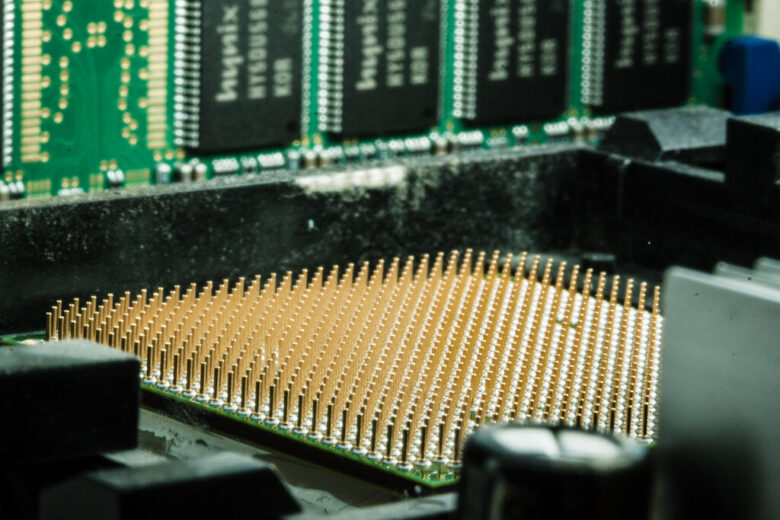
In 2026, DDR5 isn’t just faster-it’s smarter: higher bandwidth, better efficiency, and more headroom for modern CPUs. DDR4 still wins on price, but DDR5 now makes sense for new builds.
CAS latency is the beat between a RAM request and the first byte delivered. Lower isn’t always faster-timing must match frequency and workload to cut stalls and boost real-world speed.
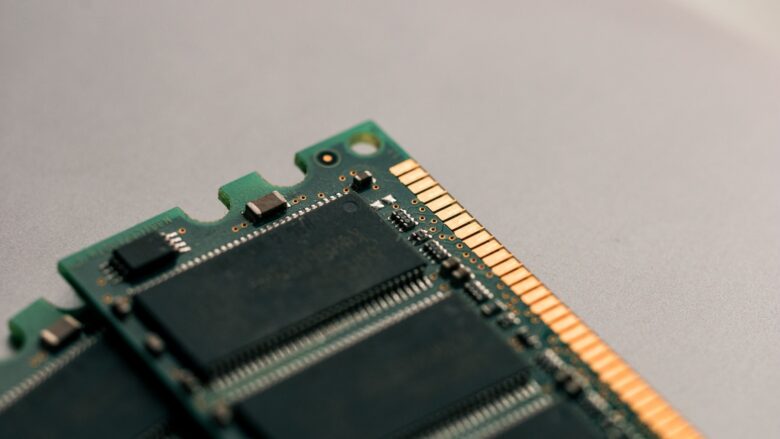
Start with XMP/EXPO, then raise frequency in small steps. Validate stability with MemTest and real workloads, and keep an eye on temps and voltage limits-fast doesn’t mean fragile.
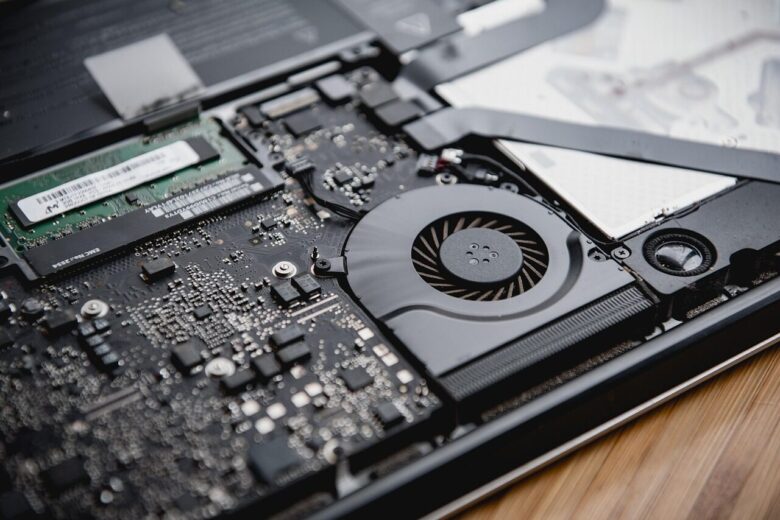
RAM speed shapes how fast the CPU feeds frames: higher bandwidth and lower latency cut stalls in asset streaming and draw-call bursts. FPS gains peak in CPU-bound scenes; GPU-bound loads barely move.